Zeeland Lifeguards Warn of Strong Currents Due to Spring Tide
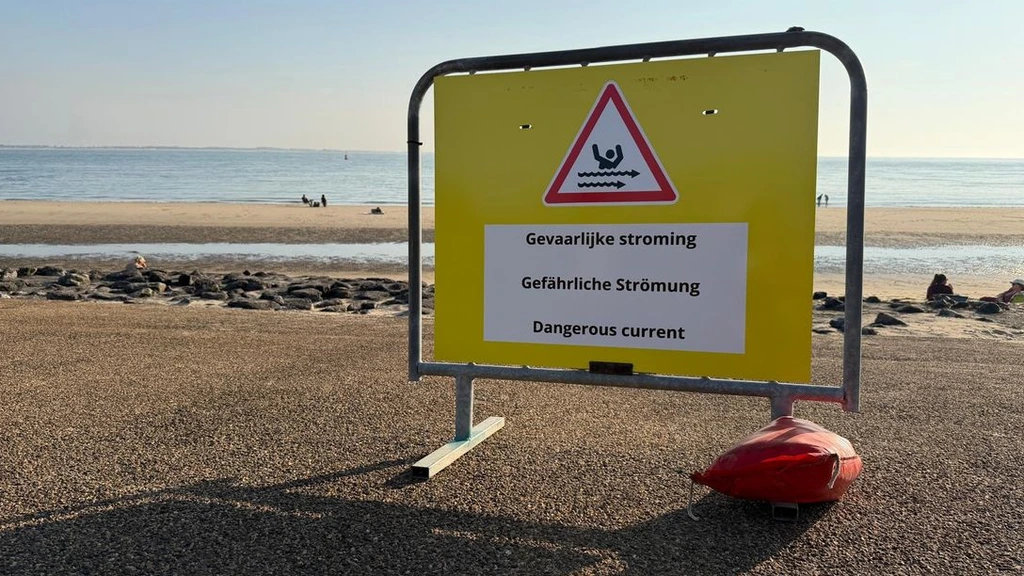
Zeeland lifeguards are issuing warnings about strong currents developing along the coast due to the upcoming spring tide. With favorable beach weather predicted for the coming days, many people are expected to seek refreshment at the sea. To ensure public safety, increased patrols and warning signs are being implemented on Zeeland's beaches, as reported by Omroep Zeeland. Specifically, signs have been placed along the Vlissingen boulevard, between Boulevard Bankert and Boulevard De Ruyter, to alert beachgoers to the powerful currents. These areas become more accessible during low tide, leading some to enter the water when the tide is rising. Bas-Jan Spuijbroek, director of Stichting Strandexploitatie Veere, highlighted the danger of being near the shipping channel when the tide comes in. He explained that swimmers caught in the current could be swept towards Leugenaarshoofd, where the currents are particularly strong, making it difficult to return to shore. The rough dike lining, covered in mussels and shells, poses an additional hazard in this area. A swimming ban is already in effect at the nearby Nollestrand due to similar strong currents, with red flags posted at the groynes to warn swimmers. Despite these warnings, lifeguards do not anticipate major issues this weekend, as the wind conditions are expected to be favorable, without stormy weather. Spuijbroek noted that the combination of wind and spring tide is what creates the hazardous conditions.
The warning from Zeeland lifeguards about strong currents during spring tide highlights the predictable interplay between lunar cycles and coastal water dynamics. While natural phenomena like tides and wind are uncontrollable, their impact on human activity can be mitigated through clear communication and infrastructure. The placement of warning signs and the existing swimming ban at Nollestrand demonstrate proactive risk management. However, the reliance on visual cues like signs and flags, while standard, may not fully account for varying levels of swimmer awareness or the rapid onset of dangerous conditions. Future considerations might involve leveraging real-time environmental data and digital alert systems to supplement traditional warnings, especially as coastal recreational use increases. Understanding these systemic risks is crucial for ensuring public safety in dynamic marine environments.
AI-generated to prompt reflection — not editorial opinion, not advice, not a statement of fact. How this works.