Zelensky and Trump Discuss Ukraine War and Drone Technology at White House
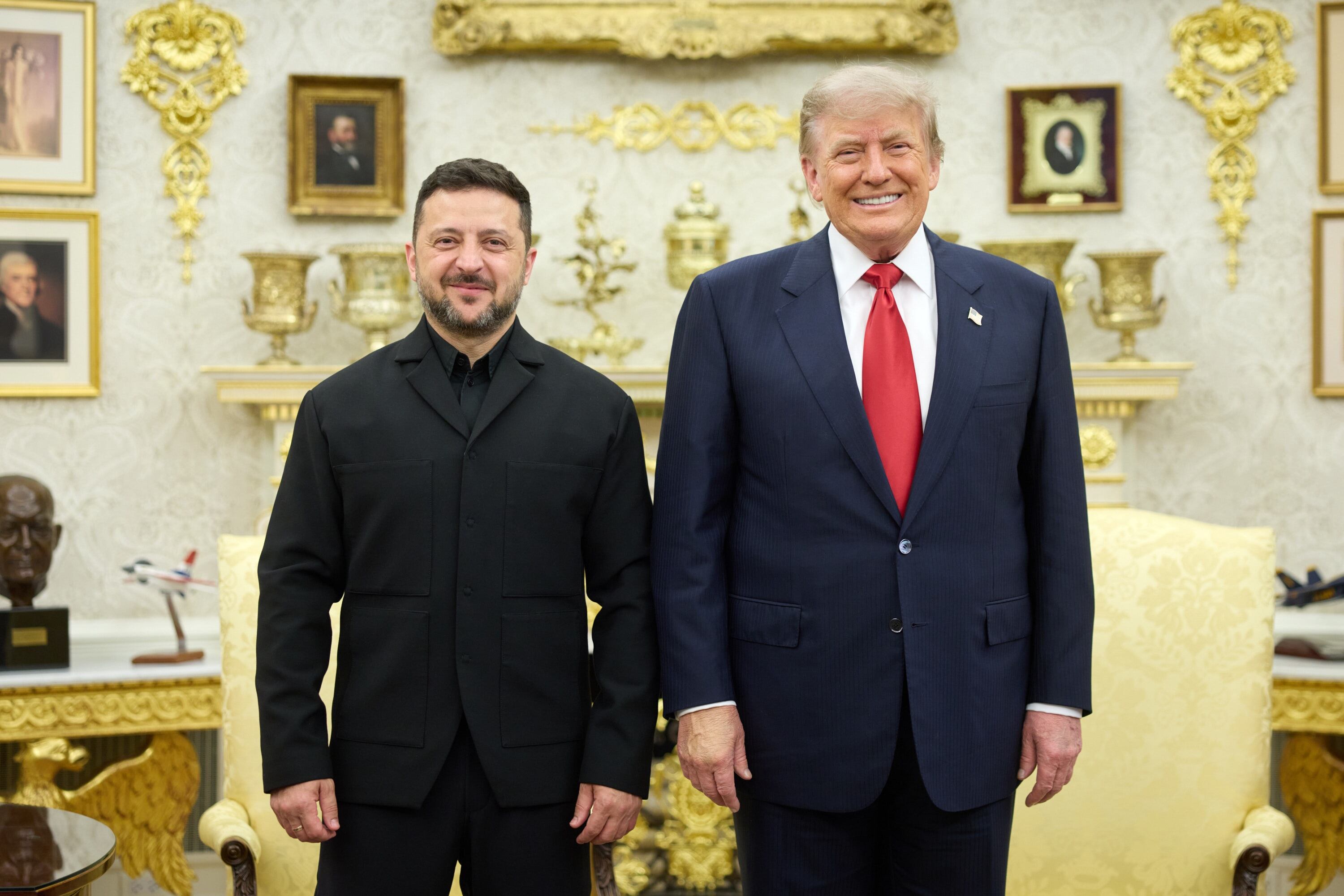
Ukrainian President Volodymyr Zelensky met with former U.S. President Donald Trump at the White House to discuss the ongoing war in Ukraine. During the meeting, Zelensky offered Ukraine's drone technology for potential U.S. use in conflicts, specifically mentioning the United States' engagement with Iran. In exchange for this technological contribution, Zelensky requested American Patriot missile systems for Ukraine. This meeting signals a potential shift in dialogue regarding the war and international cooperation on defense technologies. Both leaders reportedly explored avenues for future collaboration and shared perspectives on global security challenges. The exchange highlights Ukraine's efforts to secure advanced weaponry and leverage its technological capabilities in international diplomacy. The specific terms and outcomes of the drone technology offer and the missile request were not fully detailed in the initial reports. The meeting underscores the complex geopolitical landscape surrounding the conflict in Ukraine and the various international actors involved.
The interaction between President Zelensky and former President Trump highlights the evolving geopolitical landscape and the strategic importance of defense technology. Offering drone capabilities for U.S. conflicts, particularly concerning Iran, suggests a pragmatic approach by Ukraine to leverage its assets for securing vital military aid like Patriot missiles. This dynamic reflects the broader trend of asymmetric warfare and the increasing role of non-state or technologically advanced actors in international security. The exchange prompts consideration of how such bilateral engagements, outside of formal governmental channels, might influence future U.S. foreign policy and the global arms market. It also raises questions about the long-term implications of technology-for-weapons bartering in managing international conflicts and alliances in the coming decade.
AI-generated to prompt reflection — not editorial opinion, not advice, not a statement of fact. How this works.