Zelensky Claims Caspian Sea Attack Hit Ships Carrying Weapons for Tehran
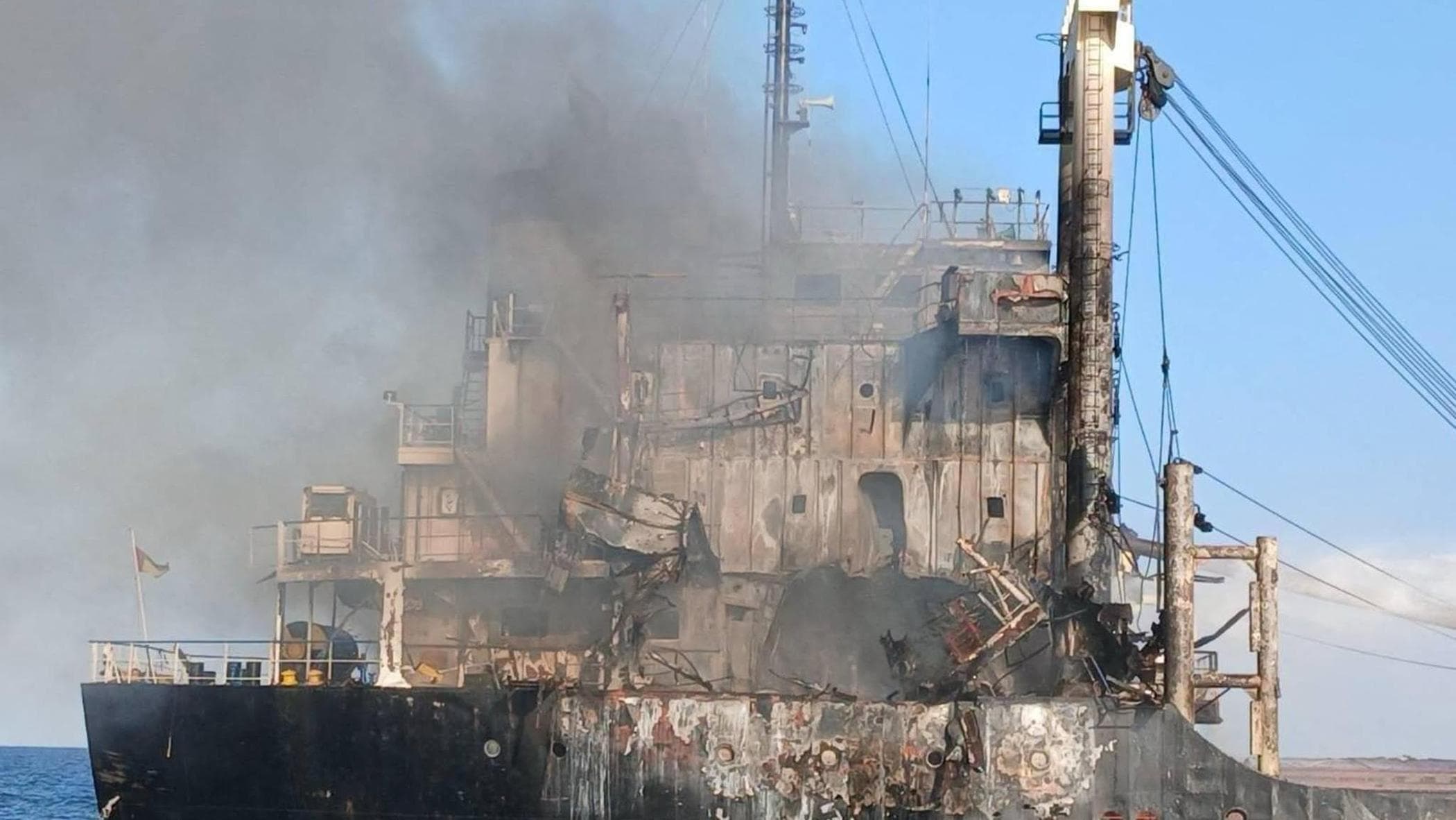
Ukrainian President Volodymyr Zelensky announced that a strike in the Caspian Sea targeted ships allegedly carrying weapons destined for Tehran. Zelensky suggested these vessels were part of the "shadow fleet," further indicating Moscow's involvement in such activities. The Ukrainian leader did not provide specific details about the strike, the types of weapons, or the exact location within the Caspian Sea. However, the implication is that Russia is facilitating the transfer of arms to Iran, potentially violating international sanctions or agreements. This alleged incident highlights ongoing geopolitical tensions and the complex network of maritime activities in the region. The Ukrainian government has consistently accused Russia of using clandestine methods to circumvent international scrutiny and support its allies. The mention of the "shadow fleet" points to a pattern of illicit shipping operations that are difficult to track and regulate. Further details regarding the ownership of the targeted vessels and the specific nature of the cargo are expected to emerge as the situation develops. This event could have significant diplomatic repercussions, particularly concerning relations between Ukraine, Russia, Iran, and international powers monitoring arms proliferation.
The claim by President Zelensky regarding a strike on ships in the Caspian Sea carrying weapons for Tehran, if substantiated, points to a complex web of international arms transfers and potential sanctions evasion. The involvement of a "shadow fleet" suggests the use of non-transparent shipping practices, which are often employed to obscure the origin, destination, and nature of cargo. This raises questions about the effectiveness of current international monitoring mechanisms for arms control and maritime security. The alleged involvement of Moscow in facilitating such transfers, as suggested by Zelensky, would indicate a strategic effort to bolster Iran's capabilities while potentially circumventing international pressure. This situation underscores the persistent challenges in regulating global arms flows and the innovative methods employed by state and non-state actors to circumvent restrictions. Future developments will likely involve diplomatic responses, investigations into the vessels' ownership and cargo, and a re-evaluation of surveillance strategies in contested maritime zones.
AI-generated to prompt reflection — not editorial opinion, not advice, not a statement of fact. How this works.