Zelensky Fears Massive Russian Attack Ahead of NATO Summit
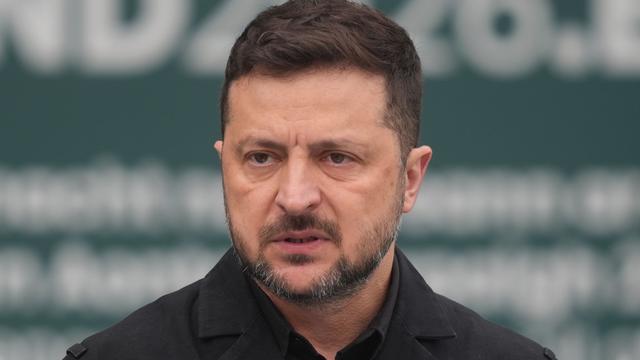
Ukrainian President Volodymyr Zelensky has expressed concerns about a potential large-scale Russian offensive. He fears this attack could be launched imminently, specifically in the lead-up to an upcoming NATO summit. The summit is a critical juncture for Ukraine, as it seeks further support and security guarantees from the alliance. Zelensky's warning highlights the ongoing and escalating tensions between Ukraine and Russia. The anticipation of a significant military action underscores the precarious security situation in the region. Ukraine continues to rely on international partners for military and financial assistance to defend its sovereignty. The timing of the potential offensive, just before a major international summit, suggests a strategic attempt by Russia to influence geopolitical discussions and outcomes. This development is likely to increase pressure on NATO members to provide more substantial aid and potentially accelerate Ukraine's integration into Western security structures. The international community is closely monitoring the situation, with many nations reiterating their support for Ukraine's territorial integrity.
President Zelensky's warning of a significant Russian offensive preceding a NATO summit suggests a strategic maneuver to either disrupt alliance deliberations or preemptively shape the geopolitical landscape. The timing implies a calculated effort to leverage the summit's focus on Ukraine, potentially aiming to influence Western policy decisions through heightened military pressure. This situation underscores the complex interplay between military actions and diplomatic negotiations, where perceived threats can be used as bargaining chips. The international community faces the challenge of discerning genuine military intent from strategic signaling, balancing the need for de-escalation with the imperative to uphold national sovereignty and security commitments. Future geopolitical stability may depend on the ability of international bodies to effectively deter aggression while fostering dialogue, particularly in an era where information warfare and kinetic actions are increasingly intertwined.
AI-generated to prompt reflection — not editorial opinion, not advice, not a statement of fact. How this works.