Zelensky Reshuffles Cabinet, Replaces Premier Appointed Last Year
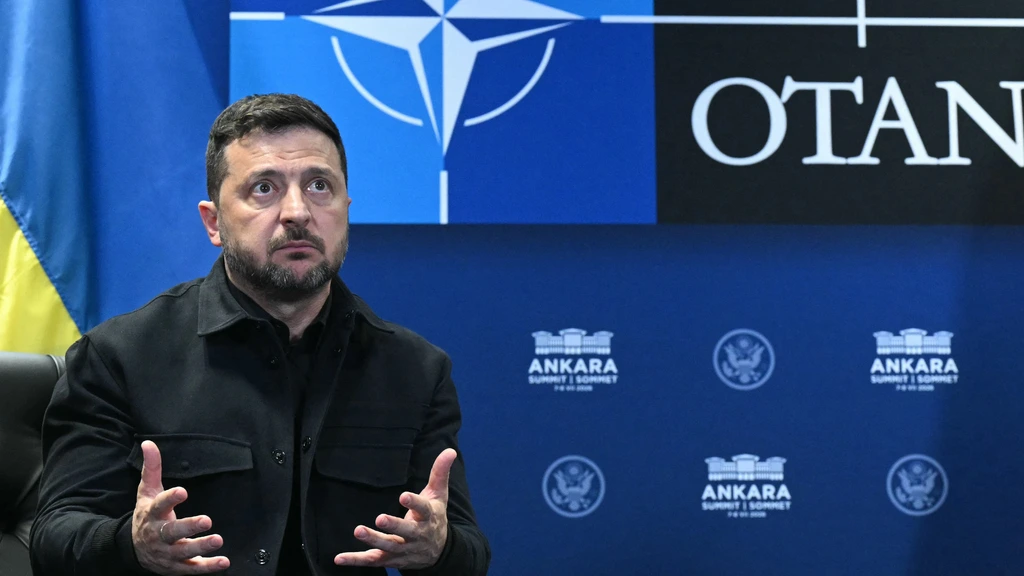
Ukrainian President Volodymyr Zelensky has announced a significant shift in political direction, including a cabinet reshuffle, with Prime Minister Yulia Svyrydenko stepping down from her role. Svyrydenko, who was appointed less than a year ago, will assume a new position, with Zelensky expressing gratitude for her "clear, stable, and effective work." He has offered her leadership in managing relations with a key partner, though the specific country remains undisclosed. Previously the Minister of Economic Affairs, Svyrydenko played a crucial part in the mining agreement between Ukraine and the United States. Details regarding other ministers' departures or new appointments are still forthcoming. Zelensky intends to implement these necessary changes in collaboration with the parliament. He also indicated that the leadership of Ukraine's law enforcement agencies will undergo changes. The president emphasized a new approach to foreign policy, assigning critical foreign affairs dossiers, particularly those related to the Russian invasion, to officials with specialized experience. Key areas include cooperation with the U.S. on Patriot missile production, vital for defending against Russian ballistic missiles. This announcement follows U.S. President Trump's recent commitment to granting Ukraine a license for domestic Patriot missile manufacturing. Zelensky also aims to advance a European system against ballistic missiles and further Ukraine's EU membership bid. He stressed the need to establish a "new basis" for relations with neighboring countries, Poland and Hungary. While Hungary, under former Prime Minister Orbán, had previously opposed aid to Ukraine, the new pro-European Prime Minister Magyar's ascent may signal increased Hungarian support. Zelensky is also pivoting towards the Middle East and Gulf regions for security and economic cooperation, identifying them as "most promising areas." China and international organizations are also seen as potential partners in ending the war with Russia. Addressing the immediate military situation, Zelensky stated that Ukrainian forces require more weapons at the front to counter Russian attacks and must prepare for a harsh winter. He also plans to accelerate the reform of state-owned enterprises and ensure more targeted execution of agreements with foreign partners for Ukraine's reconstruction. This marks the fifth cabinet change since the start of the Russian invasion, with previous reshuffles occurring in July 2025 amid battlefield setbacks and power outages. A significant scandal involving alleged embezzlement of approximately $100 million at the state energy company Energoatom also surfaced last year. Ukraine is currently not holding elections, as its laws prohibit them during wartime, despite Zelensky's term having officially ended in May 2024.
The frequent reshuffling of Ukrainian government personnel, including the recent replacement of a prime minister appointed less than a year ago, suggests ongoing efforts to adapt governance structures to the exigencies of prolonged conflict and evolving geopolitical alliances. This dynamic leadership approach may reflect a strategic imperative to optimize operational effectiveness and maintain international partnerships, particularly with key allies like the United States, in critical areas such as defense technology and economic reconstruction. The emphasis on specialized experience in foreign policy portfolios indicates a maturation of statecraft, aiming to leverage expertise for more targeted diplomatic and security outcomes. As Ukraine navigates complex international relations, including with neighbors like Hungary and strategic partners in the Middle East and Asia, the government's ability to foster stable, predictable relationships will be crucial for securing long-term support and achieving its national objectives, including EU accession and post-war recovery. The underlying tension between wartime governance and democratic processes, such as the postponement of elections, presents a systemic challenge that will require careful management to uphold institutional legitimacy and public trust.
AI-generated to prompt reflection — not editorial opinion, not advice, not a statement of fact. How this works.