Zelensky Urgently Requests Air Defense Systems from NATO Amidst Intensified Russian Attacks
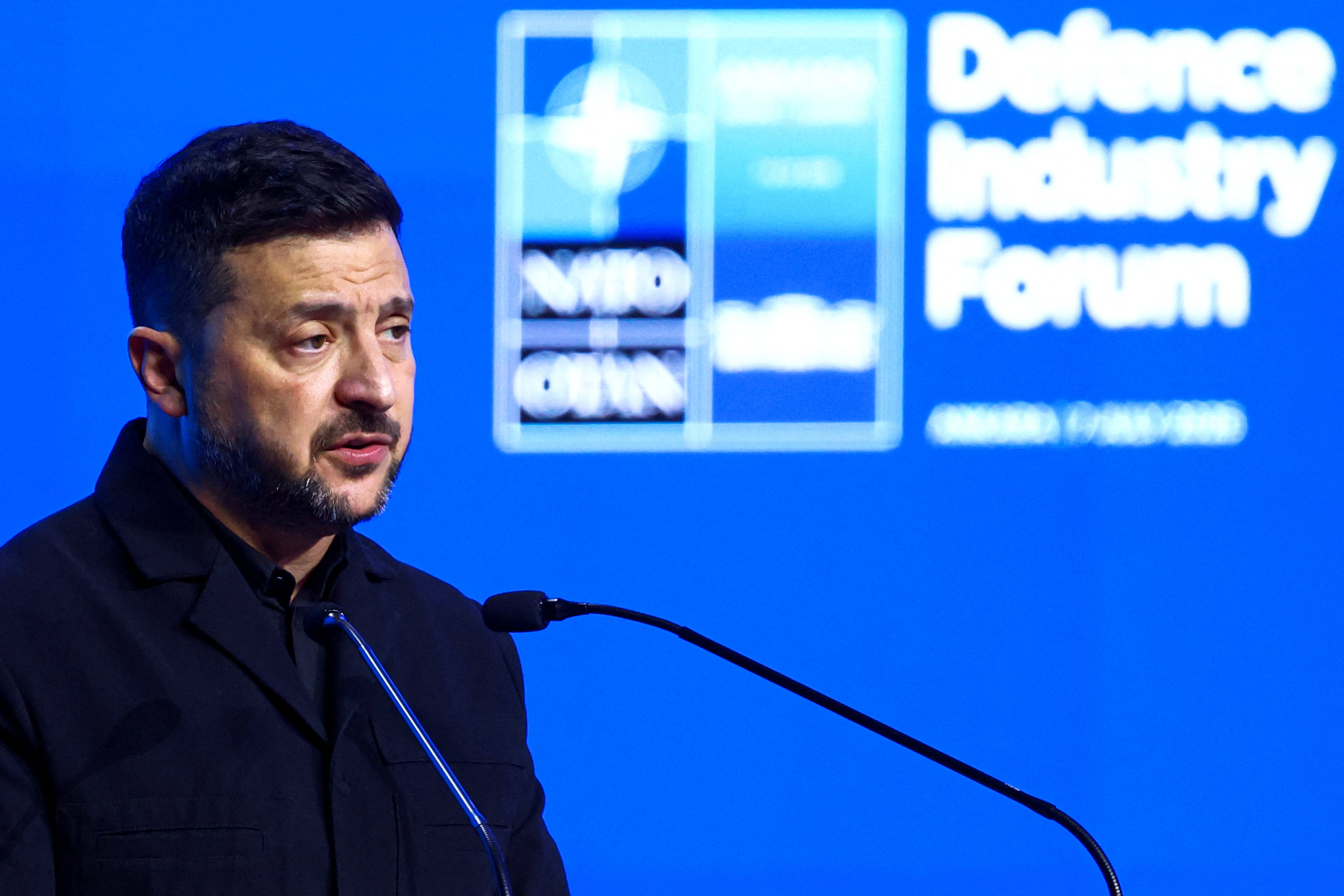
Ukrainian President Volodymyr Zelensky has declared an urgent need for air defense systems to counter escalating Russian aerial assaults. Speaking at the NATO summit in Ankara, Turkey, on July 7, 2026, Zelensky highlighted the critical shortage of Ukrainian air defenses in the fifth year of the war. Recent intense Russian bombing campaigns against Kyiv have overwhelmed Ukraine's capabilities, with no Russian missiles successfully intercepted in a recent attack that killed 22 people. July has already seen 50 fatalities in the Ukrainian capital. Zelensky plans to discuss this pressing need for air defense with U.S. President Donald Trump during a bilateral meeting scheduled for Wednesday. He also called for increased pressure on Russia through ballistic missile defense, air defense enhancements, and sanctions. The NATO summit is also marked by U.S. President Donald Trump's persistent calls for member states to increase their defense spending contributions. In response to this pressure, NATO Secretary-General Mark Rutte announced new arms procurement agreements valued in the tens of billions of dollars. These agreements include European nations purchasing surveillance drones from Northrop Grumman and NATO acquiring aircraft from Saab. Additionally, the U.S. is in discussions with Germany and other countries regarding joint missile production in Europe to meet high demand for Ukraine's defense, as U.S. stockpiles are depleted by ongoing conflicts. NATO allies are also committing over $40 billion in the next five years to enhance their drone combat capabilities.
The Ukrainian president's urgent appeal for advanced air defense systems underscores a critical vulnerability in the ongoing conflict, directly linked to the strategic supply chains and political willingness of allied nations. The situation highlights the complex interplay between battlefield necessities and the geopolitical dynamics of collective security alliances, particularly concerning burden-sharing and the equitable distribution of defense resources. As the conflict evolves, the reliance on external military aid necessitates a robust and predictable supply of advanced weaponry, while also revealing potential systemic risks associated with concentrated manufacturing capabilities and the political will to deploy them. The push for increased defense spending and joint procurement initiatives within NATO reflects a broader strategic recalibration, driven by the perceived inadequacy of existing defense postures against persistent state-level aggression and the evolving nature of modern warfare, which increasingly incorporates sophisticated aerial threats.
AI-generated to prompt reflection — not editorial opinion, not advice, not a statement of fact. How this works.