Zelensky Visits White House for Talks with Trump Amidst Global Conflicts
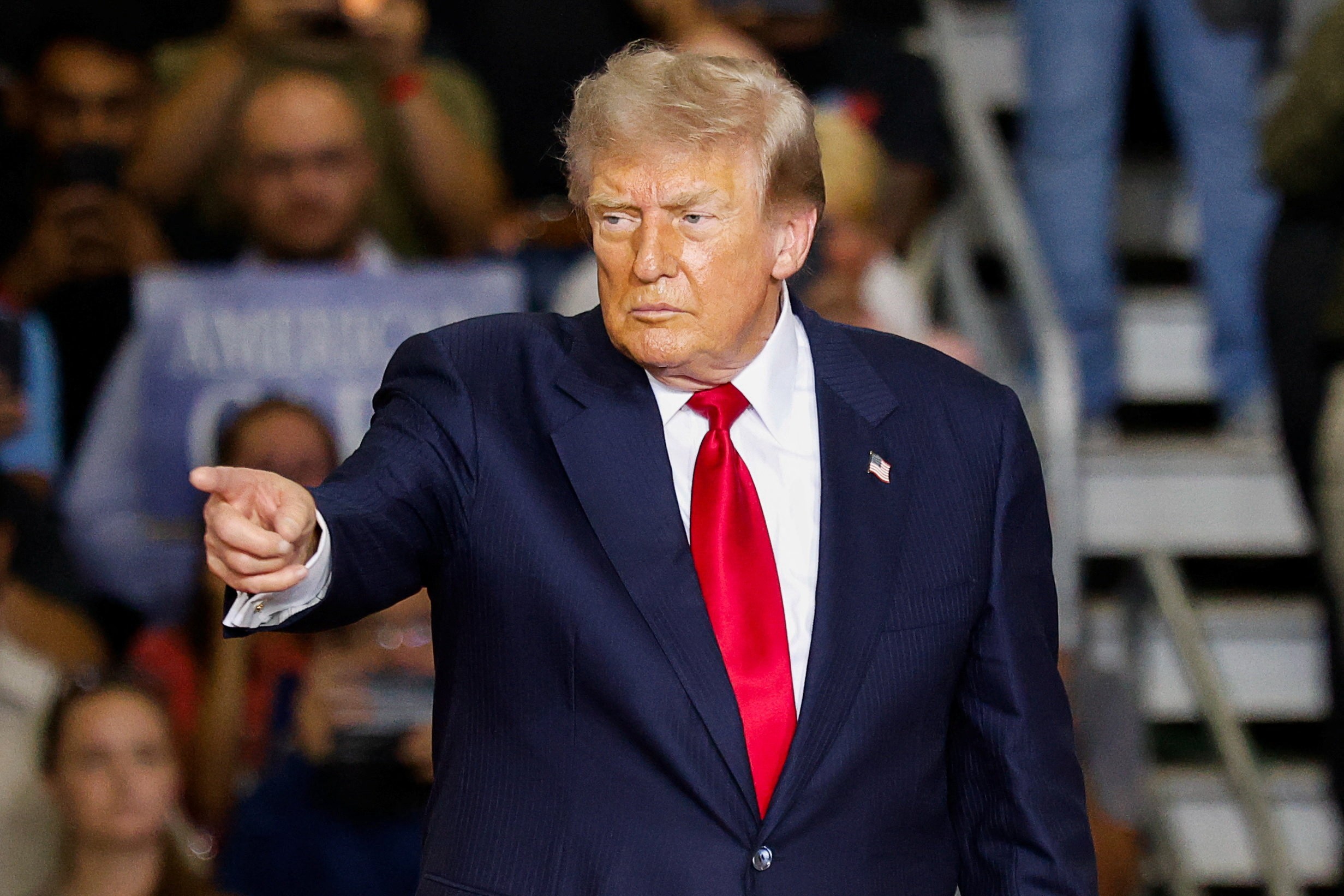
Ukrainian President Volodymyr Zelensky arrived at the White House on Tuesday, September 28th, for a meeting with U.S. President Donald Trump. President Trump is also scheduled to meet separately with Israeli Prime Minister Benjamin Netanyahu on the same day. These high-level discussions occur during critical negotiations regarding the war in Ukraine and amidst existing disagreements between Washington and the Israeli government concerning regional conflicts in the Middle East. The White House stated that President Trump and President Zelensky would discuss new proposals aimed at achieving a ceasefire between Ukraine and Russia. With Prime Minister Netanyahu, the agenda includes the war in the Gaza Strip, the regional situation following the conflict with Iran, and Israel's military presence in Gaza, Lebanon, and Syria. Netanyahu's visit comes amid signs of strain in the relationship between the two leaders, despite a historically close alliance. Recent months have seen diverging views on the strategy against Iran and efforts to de-escalate regional tensions, particularly concerning the U.S. pressure for Israel to reduce its military footprint in conflict zones. Israel, however, maintains its stance on troop presence until Hamas is fully disarmed, while also approving the creation of an international stabilization force for Gaza. Meanwhile, the meeting with Zelensky addresses Ukraine's ongoing defense challenges, including a reported scarcity of Patriot missiles, exacerbated by U.S. stock depletion during the Israel-Iran conflict. The U.S. is reportedly considering licensing Ukraine for local production of Patriot missile systems and sharing necessary technology, while the UK will share its "Stone Cloak" electronic warfare technology to counter Russian drones.
This series of diplomatic meetings highlights the complex geopolitical landscape, with multiple overlapping conflicts demanding attention. The U.S. administration navigates distinct, yet interconnected, security challenges in Eastern Europe and the Middle East. The discussions around ceasefires and military presence underscore the tension between immediate de-escalation and long-term strategic objectives for regional stability. From a systemic perspective, the reliance on advanced military technology, such as Patriot missiles and electronic warfare systems, presents both opportunities for defense and vulnerabilities related to supply chain dependencies and technological diffusion. The potential for increased local production of defense systems by allies like Ukraine could signal a shift towards greater regional self-sufficiency in defense capabilities, a trend likely to accelerate in an era of heightened geopolitical competition and evolving global alliances.
AI-generated to prompt reflection — not editorial opinion, not advice, not a statement of fact. How this works.