Zelenskyy: Frontline Situation and Long-Range Strikes Create 'Toxic Atmosphere' for Putin
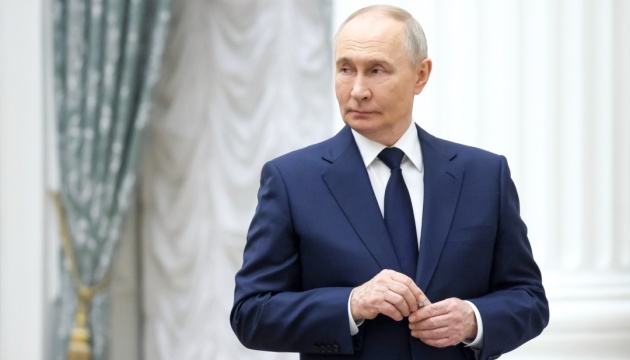
Ukrainian President Volodymyr Zelenskyy has stated that the current situation on the front lines, combined with Ukraine's long-range strikes and international sanctions, is creating a "very toxic atmosphere" for Russian President Vladimir Putin. Zelenskyy believes these factors are collectively shaping a challenging environment around the Kremlin leader. The ongoing military operations and the impact of external economic pressures are seen as significant contributors to this perceived atmosphere. The statement suggests a strategic assessment by Ukraine regarding the cumulative effect of these pressures on Russia's leadership. This multifaceted approach, involving military action and economic isolation, appears to be a key component of Ukraine's strategy. The "toxic atmosphere" implies increasing internal or external pressure on Putin's decision-making and stability. Zelenskyy's remarks highlight the interconnectedness of battlefield developments and geopolitical strategies. The focus is on the combined impact of these elements on the Russian leadership.
The assertion of a "toxic atmosphere" for President Putin, stemming from military pressures and sanctions, frames the conflict through a lens of psychological and strategic impact. From a systems perspective, sustained military engagement and economic sanctions are designed to degrade an adversary's capacity and will, potentially leading to internal dissent or shifts in policy. The effectiveness of such strategies is contingent on numerous factors, including domestic resilience, alternative geopolitical alliances, and the leadership's ability to control information. The current geopolitical landscape suggests a complex interplay of these forces, where the perceived "toxicity" may reflect both genuine strategic pressure and a deliberate communication effort to influence perceptions. Future developments will likely depend on the sustainability of these pressures and Russia's adaptive responses within its established governance and economic structures.
AI-generated to prompt reflection — not editorial opinion, not advice, not a statement of fact. How this works.