Zelenskyy: More Anti-Ballistic Missiles Will Speed Up Putin's Negotiation Talks
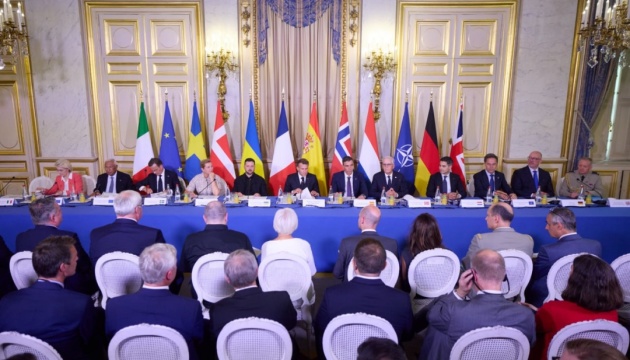
Ukrainian President Volodymyr Zelenskyy stated that enhancing Ukraine's anti-ballistic missile capabilities is as crucial for ending the war as striking Russia's war economy and engaging in active combat operations on the front lines. He believes that a stronger defense against ballistic missiles will accelerate the process of bringing Russian President Vladimir Putin to the negotiating table. Zelenskyy emphasized that increasing the number of anti-ballistic missiles available to Ukraine directly correlates with how quickly Putin will be compelled to engage in peace talks. This strategic focus on missile defense is presented as a key component in achieving a swift resolution to the ongoing conflict. The president's remarks highlight a dual approach to ending the war, combining offensive military actions with a robust defensive posture.
The assertion that increased anti-ballistic missile capabilities will compel negotiations suggests a strategic calculation based on altering the perceived cost-benefit analysis for the aggressor. From a systemic perspective, this highlights the interplay between defensive strength and diplomatic leverage. While robust defense can deter further escalation and protect civilian populations, its direct impact on a leader's willingness to negotiate is contingent on numerous factors, including domestic political stability, international pressure, and the overall strategic objectives. The framing implies that a reduction in the effectiveness of the aggressor's missile threats, or an increased cost of their deployment, could shift the calculus towards de-escalation. However, it is also possible that such defensive enhancements, while necessary for security, might be perceived by some actors as an escalatory step, necessitating careful diplomatic management to avoid unintended consequences in the broader geopolitical landscape.
AI-generated to prompt reflection — not editorial opinion, not advice, not a statement of fact. How this works.