Zelenskyy: Russia May Announce Mobilization After Elections
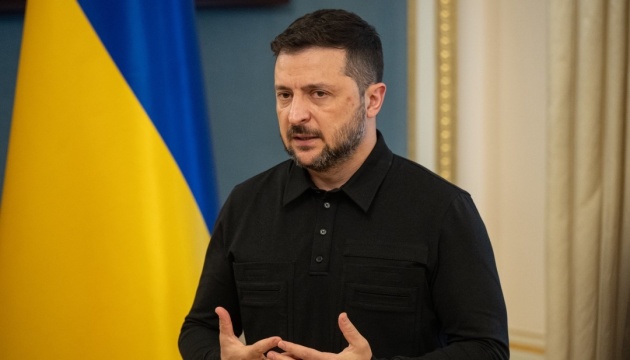
Ukrainian President Volodymyr Zelenskyy has stated that Russian dictator Vladimir Putin might announce a mobilization following parliamentary elections in Russia. Zelenskyy did not rule out this possibility, suggesting it as a potential action by the Russian leadership. The statement implies concerns within Ukraine regarding Russia's future military actions and strategic decisions. The timing of such a potential mobilization, linked to the post-election period, suggests a possible calculation by Russia to leverage the domestic political landscape. This development underscores the ongoing tensions and strategic considerations between Ukraine and Russia. The Ukrainian president's warning serves as a signal of vigilance and preparedness amidst the protracted conflict. It highlights the perceived strategic maneuvers of the Russian government in the context of its ongoing military operations. The potential mobilization could signify an escalation or a shift in Russia's military strategy. The focus on the post-election period suggests a deliberate sequencing of actions by the Russian administration.
The assertion that Russia might announce mobilization post-elections, as stated by President Zelenskyy, warrants examination through the lens of geopolitical strategy and domestic political incentives. From a strategic perspective, post-election periods can offer leaders a window to implement potentially unpopular decisions, such as mobilization, by leveraging a perceived mandate or a shift in public focus. This timing could be intended to consolidate power or manage internal dissent by channeling national energy towards external objectives. However, such a move also carries significant risks, including potential domestic backlash, international condemnation, and further economic strain. The Ukrainian president's statement may serve as a strategic communication tool, aiming to preemptively shape international opinion and prepare domestic audiences for potential escalations. It also highlights the complex interplay between electoral cycles and military policy in authoritarian regimes, where domestic legitimacy and international posture are often intertwined.
AI-generated to prompt reflection — not editorial opinion, not advice, not a statement of fact. How this works.