Zelenskyy: War's end more likely if Moscow faces thousands of drones
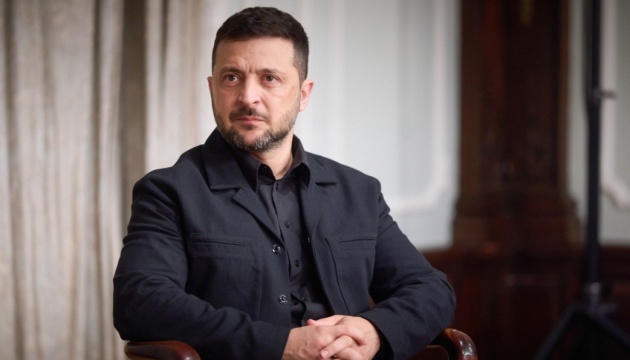
Ukrainian President Volodymyr Zelenskyy stated that the chances of ending the war would increase if thousands of drones, rather than just a hundred, were to strike Moscow and Saint Petersburg. He believes this would make the Russian elite feel the war more directly. Zelenskyy's remarks suggest a strategy aimed at increasing pressure on Russia's leadership and populace through escalated aerial attacks on key Russian cities. The underlying sentiment is that a greater perceived threat to their daily lives and security might compel the Russian elite to reconsider their involvement in the conflict. This approach implies a belief that external pressure, specifically targeting Russian urban centers, could be a catalyst for peace negotiations or a shift in Russian policy. The president's statement highlights the psychological dimension of warfare and its potential impact on decision-making within the aggressor nation.
The statement by President Zelenskyy suggests a strategic rationale centered on escalating pressure on Russian leadership and society to influence war termination. By proposing a significant increase in drone strikes on Moscow and Saint Petersburg, the aim appears to be to create a heightened sense of vulnerability and direct impact of the conflict among the Russian elite. This approach attempts to leverage psychological warfare, positing that a more visceral experience of the war's consequences could alter decision-making calculus. The effectiveness of such a strategy hinges on complex factors including Russian societal resilience, the elite's response to perceived threats, and the potential for unintended escalation. It raises questions about the long-term implications of targeting civilian centers and the broader geopolitical dynamics that influence conflict resolution.
AI-generated to prompt reflection — not editorial opinion, not advice, not a statement of fact. How this works.