Zidane as French Football Manager: Does the 'Providential Man' Myth Extend to Business?
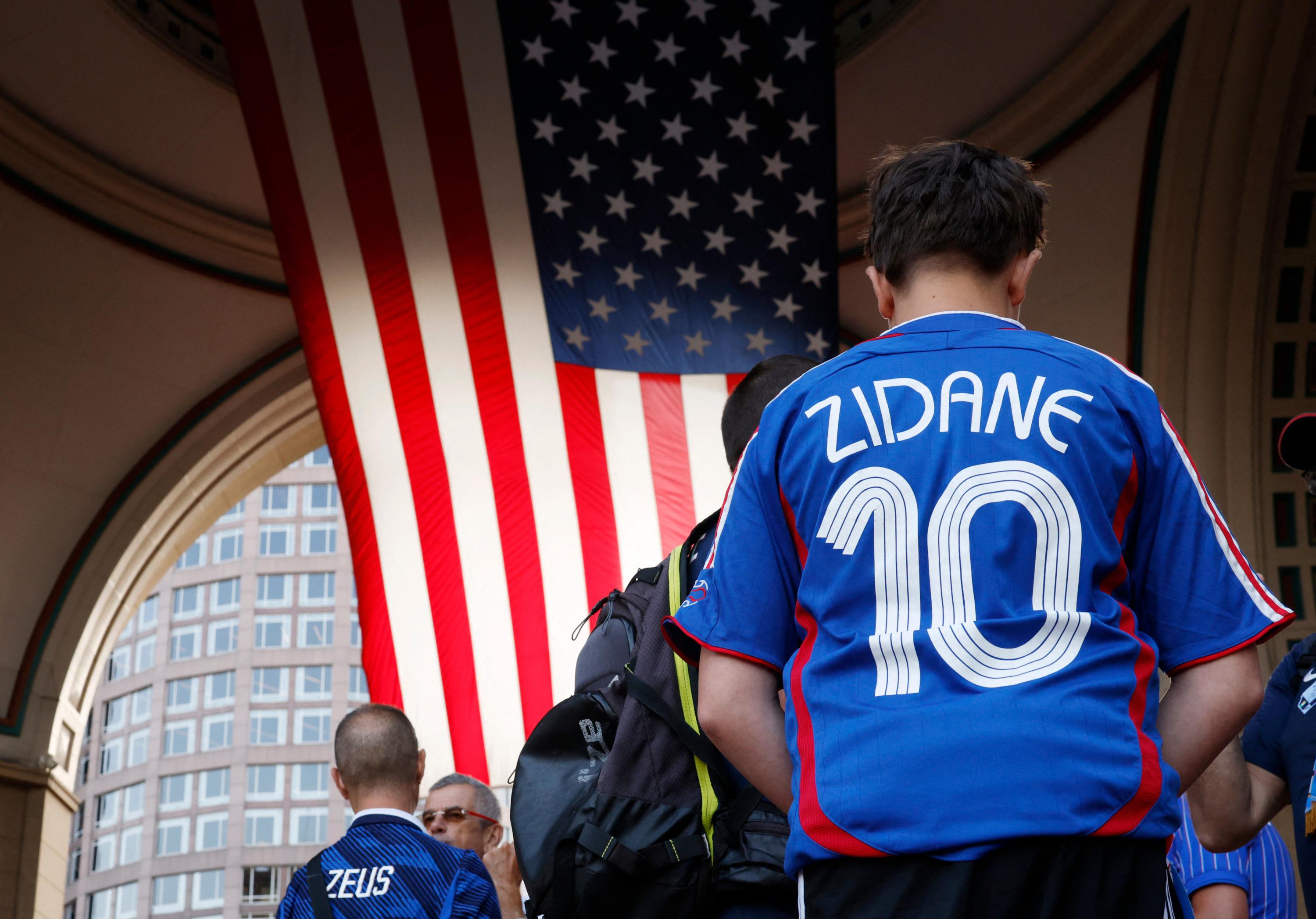
The intense anticipation surrounding the potential appointment of Zinedine Zidane as the new French national football team manager raises questions about a broader phenomenon: the belief in a 'providential man' or savior figure. This concept, often applied to charismatic leaders expected to solve complex problems with a single stroke, is now being examined in the context of the corporate world. While the allure of a legendary figure like Zidane, who achieved immense success as both a player and manager, is powerful, its applicability to business environments is debatable. Businesses often face multifaceted challenges that require sustained strategic effort, teamwork, and adaptability, rather than relying on the perceived innate genius of one individual. The myth of the providential man can create unrealistic expectations and potentially overlook the systemic factors crucial for long-term success. It remains to be seen whether this expectation of a singular, transformative leader can be effectively transferred from the realm of sports to the more complex and diverse landscape of corporate management.
The 'providential man' narrative, often fueled by media and public sentiment, highlights a societal tendency to seek singular saviors for complex issues. In business, this translates to an expectation that a star leader can instantly fix systemic problems. However, organizational success typically stems from robust governance, adaptable strategies, and collective effort, not the singular charisma of one individual. Over-reliance on such figures can obscure underlying structural weaknesses and create unsustainable expectations, potentially hindering the development of resilient, long-term solutions. Examining this phenomenon through the lens of future organizational design suggests a need for distributed leadership and systemic problem-solving approaches, rather than a continued deference to idealized, individualistic leadership myths.
AI-generated to prompt reflection — not editorial opinion, not advice, not a statement of fact. How this works.