Zilog Z80 Microprocessor Celebrates 50 Years Since Its Introduction
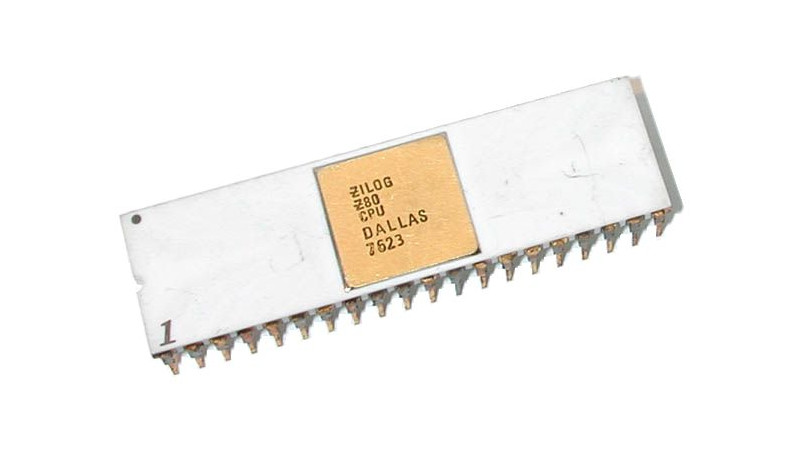
The Zilog Z80, an 8-bit microprocessor, is being recognized as it reaches its 50th anniversary. Introduced in July 1976, the Z80 quickly became a foundational component in a vast array of computing devices. Its architecture was designed by Federico Faggin, Masatoshi Shima, and Stanley Mazor, who had previously worked on the Intel 8080. The Z80 offered several improvements over the 8080, including more registers, enhanced instruction sets, and on-chip support circuitry, making it more cost-effective and easier to implement. This led to its widespread adoption in home computers, arcade games, and embedded systems throughout the late 1970s and 1980s. Notable systems that utilized the Z80 include the TRS-80 Color Computer, the Sega Master System, and the Game Boy. Its influence extended beyond consumer electronics, finding applications in industrial control and telecommunications equipment. The Z80's longevity is a testament to its robust design and the significant impact it had on the personal computing revolution, paving the way for future technological advancements.
The Zilog Z80's enduring relevance 50 years post-introduction highlights the profound impact of foundational microprocessors on the trajectory of digital technology. Its success underscores the critical role of architectural innovation and cost-effectiveness in driving widespread adoption, a principle that continues to shape the semiconductor industry. The Z80's widespread integration into diverse systems demonstrates how a single component can catalyze an entire ecosystem of hardware and software development. Examining its legacy offers insights into the long-term value of robust, well-designed foundational technologies, particularly as the industry navigates the complexities of next-generation computing architectures and the increasing demands of the AI era.
AI-generated to prompt reflection — not editorial opinion, not advice, not a statement of fact. How this works.