Zimbabwe Parliament Approves Bill to Extend Presidential Term Length
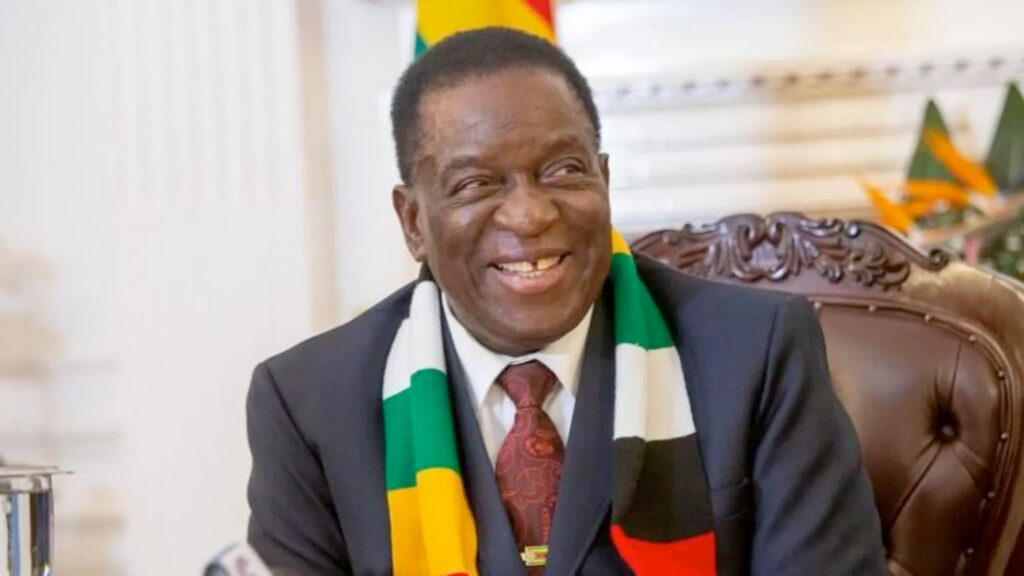
Zimbabwe's lower house of parliament has passed a bill that will extend the presidential term from five to seven years. This legislative change, approved by over 200 lawmakers on Thursday, requires a two-thirds majority to amend the constitution. If enacted, the bill would enable President Emmerson Mnangagwa to potentially remain in power until 2030. The draft legislation was passed in the National Assembly, the lower chamber of Zimbabwe's bicameral parliament. The vote threshold was successfully surpassed, indicating significant support for the proposed constitutional amendment. The bill now moves to the next stage of the legislative process. This extension aims to alter the tenure of the country's highest office. The implications of this change are significant for Zimbabwe's political landscape and future leadership.
The passage of this bill by Zimbabwe's lower house of parliament signifies a potential shift in the nation's governance structure, extending presidential terms from five to seven years. This move could consolidate power by allowing the incumbent president to serve longer, impacting the dynamics of political succession and electoral competition. From a governance perspective, longer terms might offer greater policy continuity but could also reduce accountability and opportunities for new leadership. The long-term implications for democratic institutions and citizen representation warrant careful consideration as the bill progresses through the legislative process. Evaluating this against global trends in democratic governance and the specific socio-economic context of Zimbabwe will be crucial for understanding its ultimate impact.
AI-generated to prompt reflection — not editorial opinion, not advice, not a statement of fact. How this works.