Zimbabwe President Mnangagwa Extends Term to 2030 with New Law
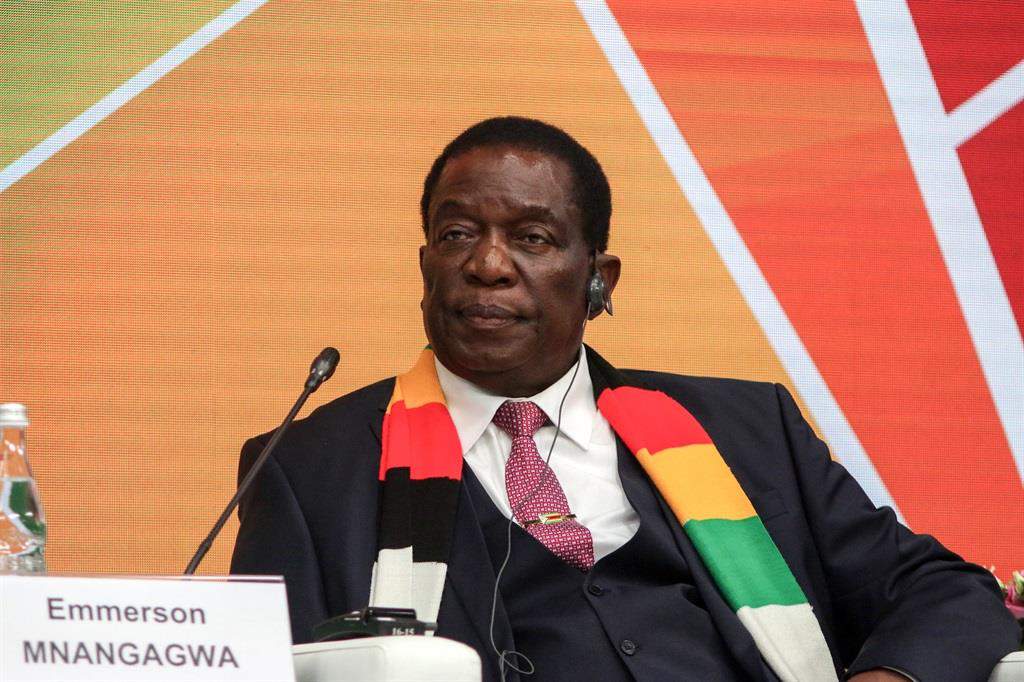
Zimbabwean President Emmerson Mnangagwa has officially signed into law new legislation that extends his presidential term by two years. This change will allow him to remain in office until 2030. The announcement was made by government spokesperson Nick Mangwana on Tuesday. This development significantly alters the timeline for presidential leadership in Zimbabwe. The extension is a direct result of the newly enacted law, which has now been formally approved by the president. Mangwana confirmed the signing, indicating the legal framework is now in place for Mnangagwa's extended tenure. The implications for future elections and political stability in the country are substantial.
The legislative extension of President Mnangagwa's term to 2030 fundamentally alters Zimbabwe's electoral landscape and governance trajectory. This move, enacted through presidential assent to new legislation, shifts the established presidential term limits and potentially impacts the democratic process by consolidating executive power for a longer period. From a governance perspective, such extensions can raise questions about institutional checks and balances and the opportunities for new political leadership to emerge. The long-term implications may involve assessing the impact on economic policy continuity, investor confidence, and the broader societal demand for political renewal over the next decade. This development merits scrutiny regarding its alignment with democratic principles and its potential effects on political stability and economic development.
AI-generated to prompt reflection — not editorial opinion, not advice, not a statement of fact. How this works.