Zimbabwe Processes 140,000 Repatriates Fleeing South Africa
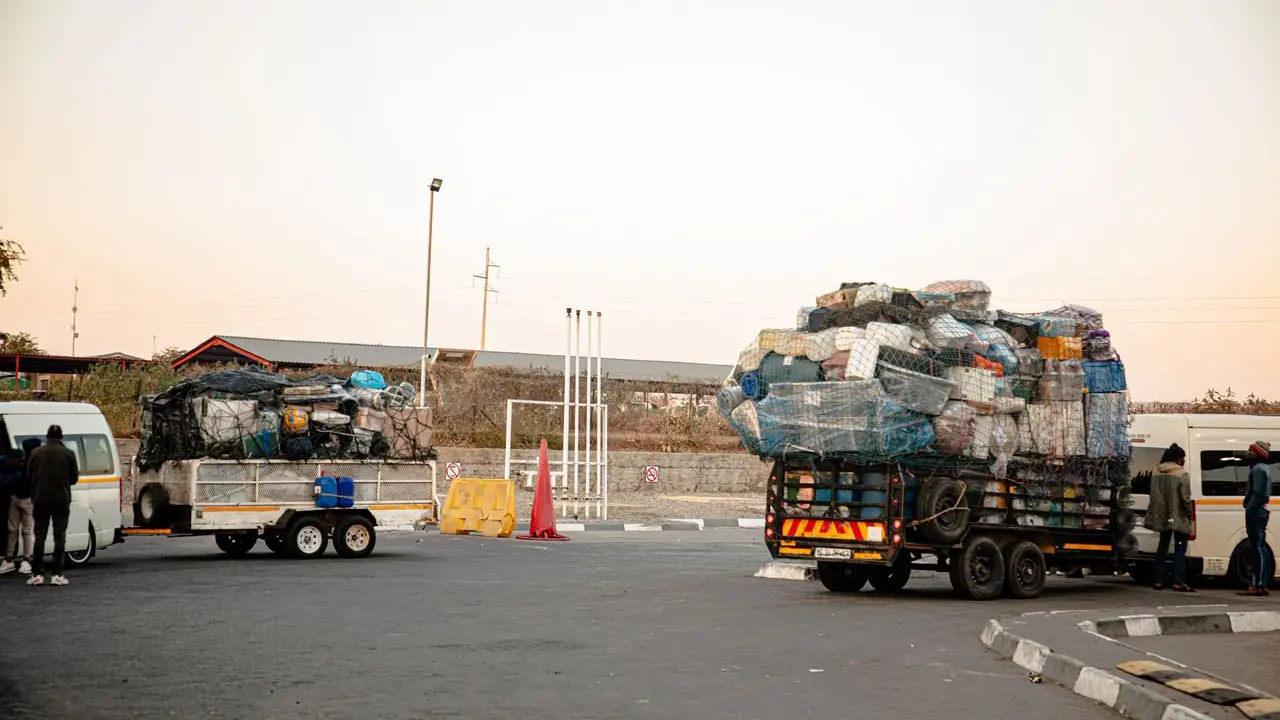
Zimbabwe has processed over 140,000 nationals from Zimbabwe and Malawi who have been repatriated from South Africa. The influx through the Beitbridge Border Post began in early July. Respect Gono, the Chief Director in the Department of Immigration, confirmed the figures to state-run media on Monday. An inter-ministerial committee has been deployed to the border post to facilitate a safe and orderly repatriation process. The situation highlights the ongoing challenges faced by foreign nationals in South Africa, prompting significant cross-border movement. The scale of the repatriation suggests a substantial number of individuals seeking refuge from xenophobic incidents or a general climate of intolerance. The Zimbabwean government's response involves coordinating support for these returning citizens and those from Malawi. Further details on the specific support mechanisms or the duration of this repatriation drive were not immediately available. The event underscores the complex relationship between neighboring countries and the impact of social and economic pressures on migration patterns.
The repatriation of over 140,000 individuals from South Africa to Zimbabwe and Malawi, prompted by reported xenophobia, underscores significant regional governance and integration challenges. This large-scale movement, occurring since early July, indicates a breakdown in social cohesion within South Africa and raises questions about the effectiveness of its policies aimed at managing foreign nationals. The Zimbabwean government's activation of an inter-ministerial committee suggests a proactive, albeit reactive, approach to managing the humanitarian consequences. Looking ahead, such events highlight the need for robust regional frameworks that address the root causes of xenophobia, including economic disparities and nationalistic sentiments, to foster more sustainable and humane cross-border relations. The long-term implications for both host and home countries involve potential strains on resources, labor markets, and social services, necessitating coordinated bilateral and multilateral strategies.
AI-generated to prompt reflection — not editorial opinion, not advice, not a statement of fact. How this works.