Zimbabwe's Constitutional Amendment Act 3 Criticized by South Africa's EFF
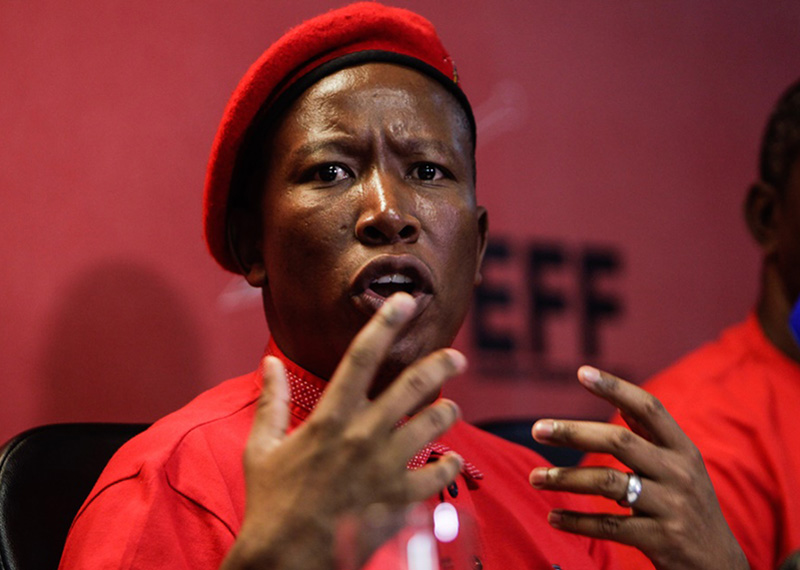
South Africa's opposition party, the Economic Freedom Fighters (EFF), led by Julius Malema, has strongly condemned Zimbabwe's Constitutional Amendment Act No. 3. The EFF accuses Zimbabwe's ruling party, ZANU PF, of prioritizing its continued hold on power over the well-being of its citizens. The party further alleges that this move betrays the fundamental principles of the liberation struggle. President Emmerson Mnangagwa officially signed the Constitutional Amendment Act No. 3 into law on Tuesday, following its passage through Parliament. The EFF's statement suggests that Zimbabwe requires genuine economic renewal rather than measures that could extend the tenure of those in power. This legislative change in Zimbabwe has drawn sharp criticism from a prominent regional political entity.
The enactment of Zimbabwe's Constitutional Amendment Act No. 3, and the subsequent condemnation by South Africa's EFF, highlights a recurring tension between political power consolidation and citizen welfare in post-liberation governance models. From a systems perspective, legislative changes that appear to reinforce incumbent power structures, regardless of stated intentions, can create perceptions of entrenchment and potentially stifle democratic renewal. The EFF's critique, framed within the context of liberation ideals, suggests a public expectation for governance to prioritize socio-economic development over political longevity. As nations navigate the complexities of governance in the coming decade, the balance between ensuring stability and fostering dynamic, responsive political systems will remain a critical challenge, influencing investor confidence and long-term economic trajectory.
AI-generated to prompt reflection — not editorial opinion, not advice, not a statement of fact. How this works.