Zimbabwe's Education System: Are Graduates Equipped for the Modern Economy?
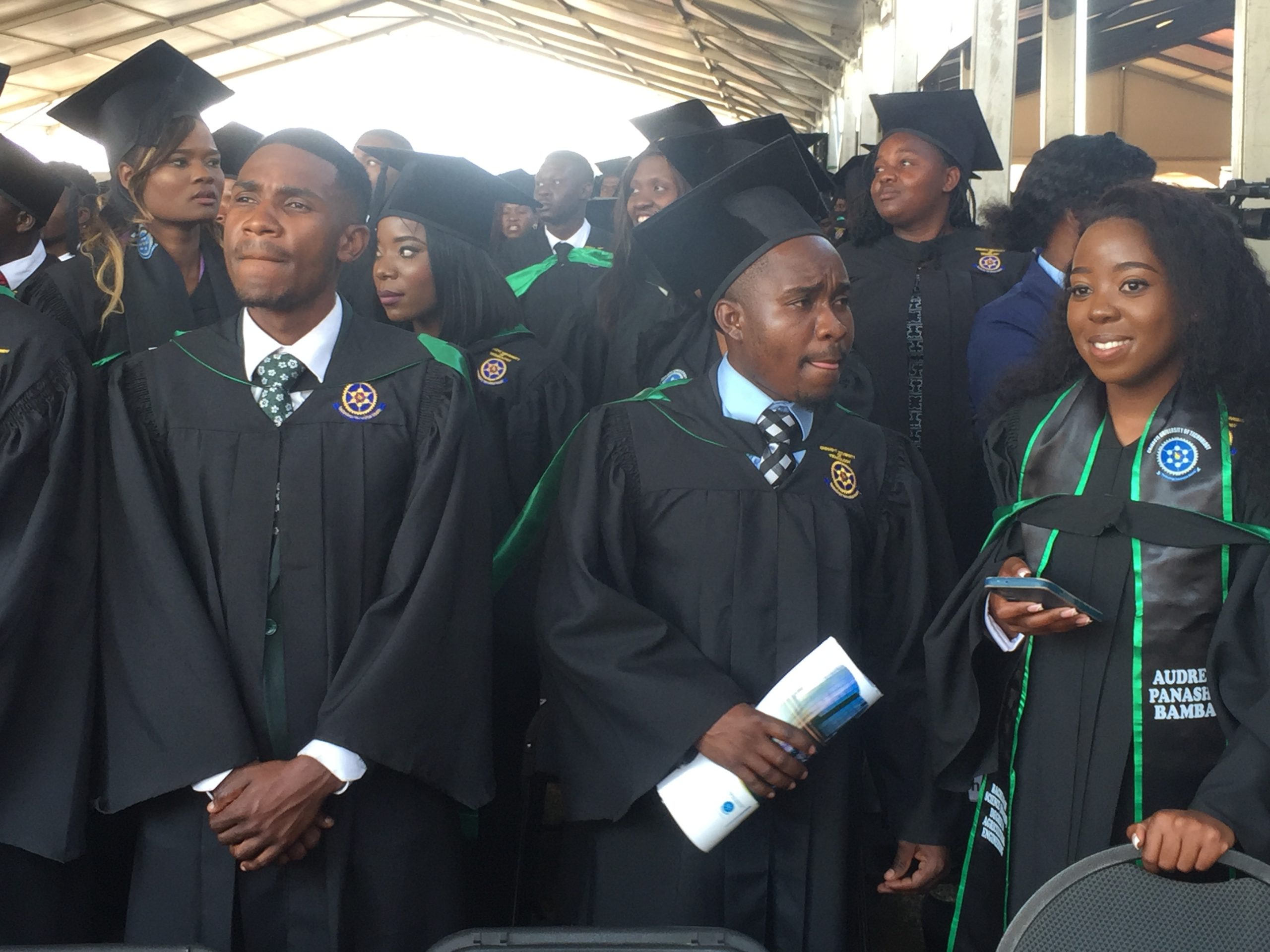
Thousands of Zimbabwean graduates enter the job market annually with aspirations for career success, but many face a stark reality of unemployment or underemployment. This situation is characterized by a disconnect between the skills possessed by graduates and the demands of employers, who frequently report significant skills shortages within the workforce. The core issue being explored is whether Zimbabwe's university system is effectively aligning its degree programs with the evolving needs of the national economy. The article questions the relevance of current curricula in preparing students for future employment opportunities. This disconnect suggests a potential misalignment between educational output and economic requirements, prompting a critical examination of the country's higher education strategy.
The Zimbabwean education system faces a persistent challenge in aligning its graduate output with labor market demands, leading to a paradox of skills shortages alongside graduate unemployment. This suggests a structural issue where academic programs may not be sufficiently responsive to the dynamic requirements of the modern economy, particularly in the context of global technological advancements. Examining the curriculum's adaptability and its focus on future-proof skills, such as digital literacy and critical thinking, is crucial. The situation prompts a consideration of how educational institutions can foster closer collaboration with industry to ensure graduates possess the competencies needed for sustainable economic growth and individual career success in the coming decade.
AI-generated to prompt reflection — not editorial opinion, not advice, not a statement of fact. How this works.