Zimbabwe's Lithium Export Ban Gains Global Acclaim, Finance Minister Reports
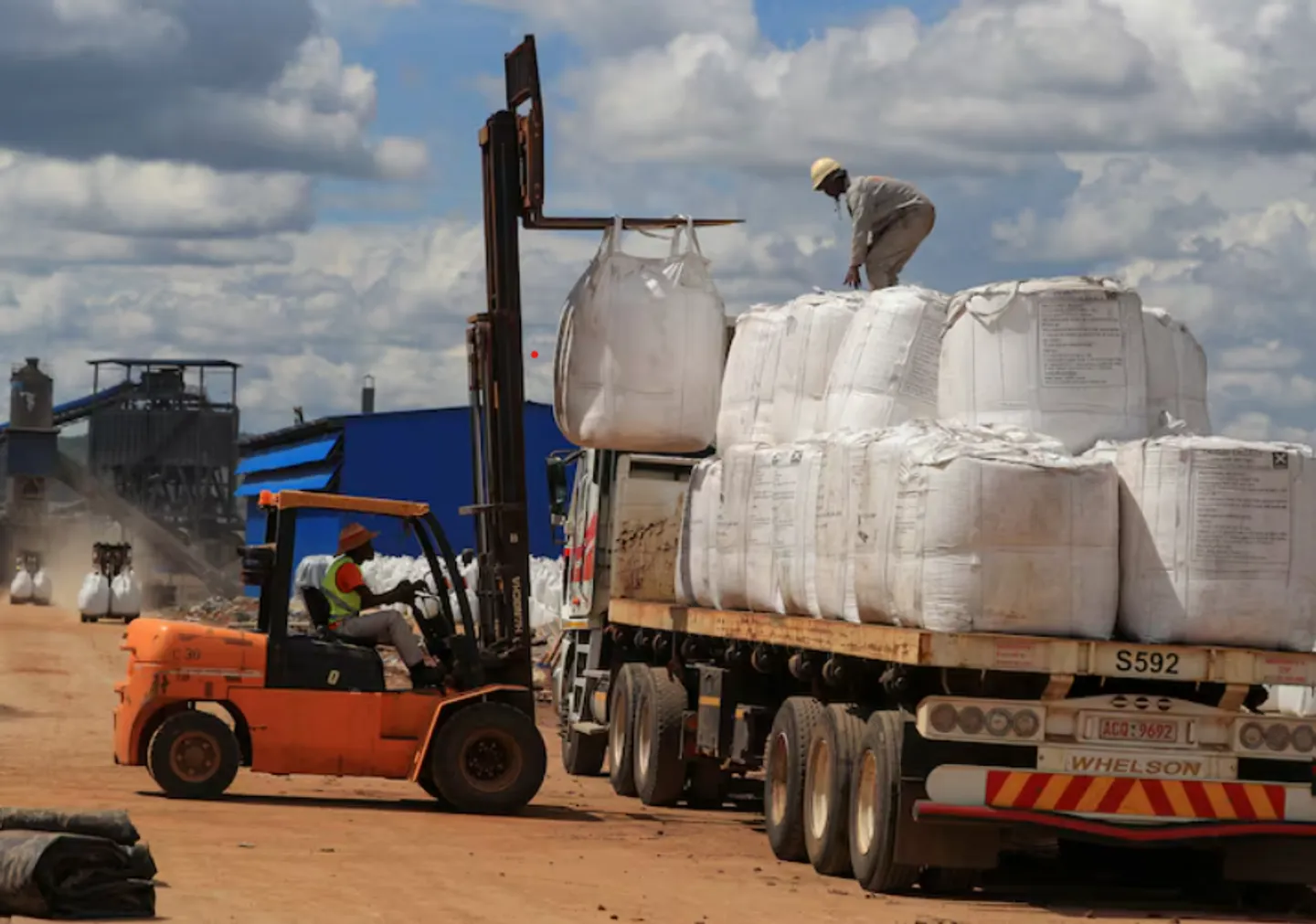
Zimbabwe's Finance Minister, Mthuli Ncube, announced that the nation's policy to ban raw lithium exports and promote local value addition has garnered significant positive reception from international investors and policymakers. Ncube made these remarks at the World Economic Forum Annual Meeting held in Dalian, China. He indicated that discussions at the forum centered on the development of emerging technologies and Zimbabwe's role within this evolving landscape. The minister highlighted that the ban is intended to encourage domestic processing and beneficiation of lithium, thereby capturing more value within the country. This strategy aims to boost Zimbabwe's economy by fostering a local lithium processing industry. The positive feedback suggests potential international partnerships and investments in Zimbabwe's mining and processing sectors.
Zimbabwe's strategic decision to ban raw lithium exports and promote domestic processing aligns with a global trend of resource-rich nations seeking to capture greater economic benefits from their natural endowments. By incentivizing local value addition, the country aims to move up the global supply chain, potentially attracting foreign direct investment in processing facilities and creating skilled employment. This policy shift, if effectively implemented, could enhance Zimbabwe's leverage in negotiating future resource development agreements and diversify its economy beyond raw material extraction. The reported positive reception at the World Economic Forum suggests a potential alignment with international interests in securing stable, ethically sourced, and processed critical minerals for emerging technologies, though the long-term success will depend on regulatory stability, infrastructure development, and attracting the necessary capital and expertise for advanced processing.
AI-generated to prompt reflection — not editorial opinion, not advice, not a statement of fact. How this works.