Zimbabwe's mineral processing goals: Will small miners benefit?
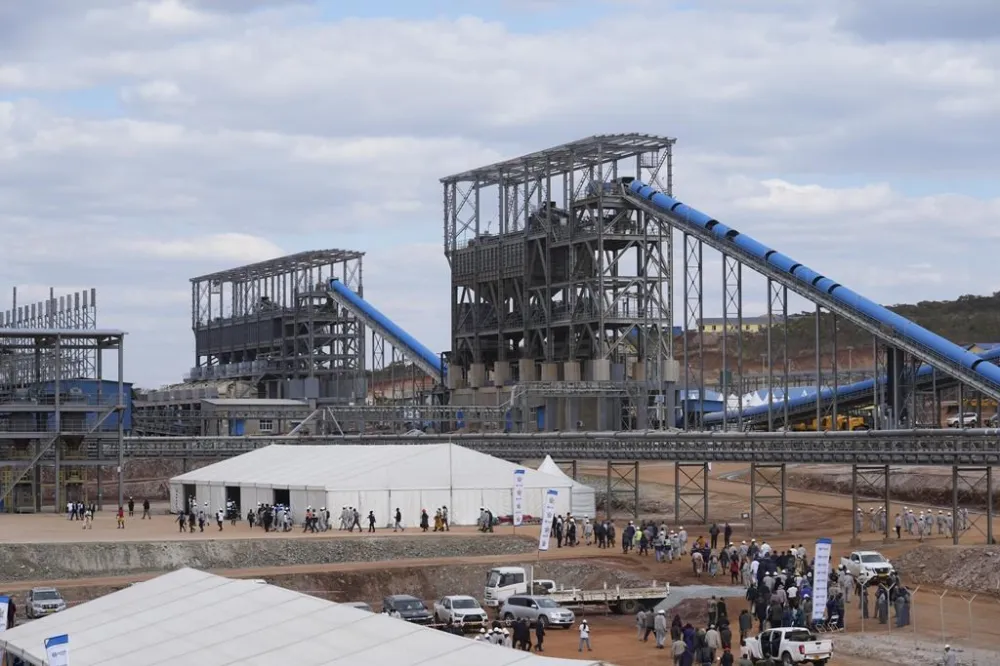
Zimbabwe aims to transition from a raw mineral exporter to a nation that processes and manufactures goods from its own resources. The government is implementing stricter regulations on the export of unprocessed minerals. This policy shift has raised concerns among smaller mining operations about their potential inclusion in this industrial transformation or the risk of being excluded. The success of these ambitions hinges on whether the new framework supports or hinders the participation of these smaller entities in the value chain. The government's strategy seeks to capture more value domestically, but the practical implications for the diverse range of producers remain a key question. Ensuring equitable benefit distribution will be crucial for the overall success and sustainability of Zimbabwe's mining sector development.
Zimbabwe's strategic pivot towards domestic mineral processing presents a complex challenge in balancing national industrialization goals with the operational realities of smaller mining enterprises. The policy's success will likely depend on the design of regulatory frameworks that provide clear pathways for small-scale producers to integrate into the value chain, rather than being sidelined. Consideration must be given to potential market access, technological transfer, and financial support mechanisms that could enable these smaller actors to adapt and thrive. Failure to address these aspects could inadvertently concentrate benefits within larger, established entities, potentially exacerbating existing economic inequalities and undermining the inclusive growth objectives.
AI-generated to prompt reflection — not editorial opinion, not advice, not a statement of fact. How this works.