Zimbabwean community seed bank aids farmers in climate change adaptation
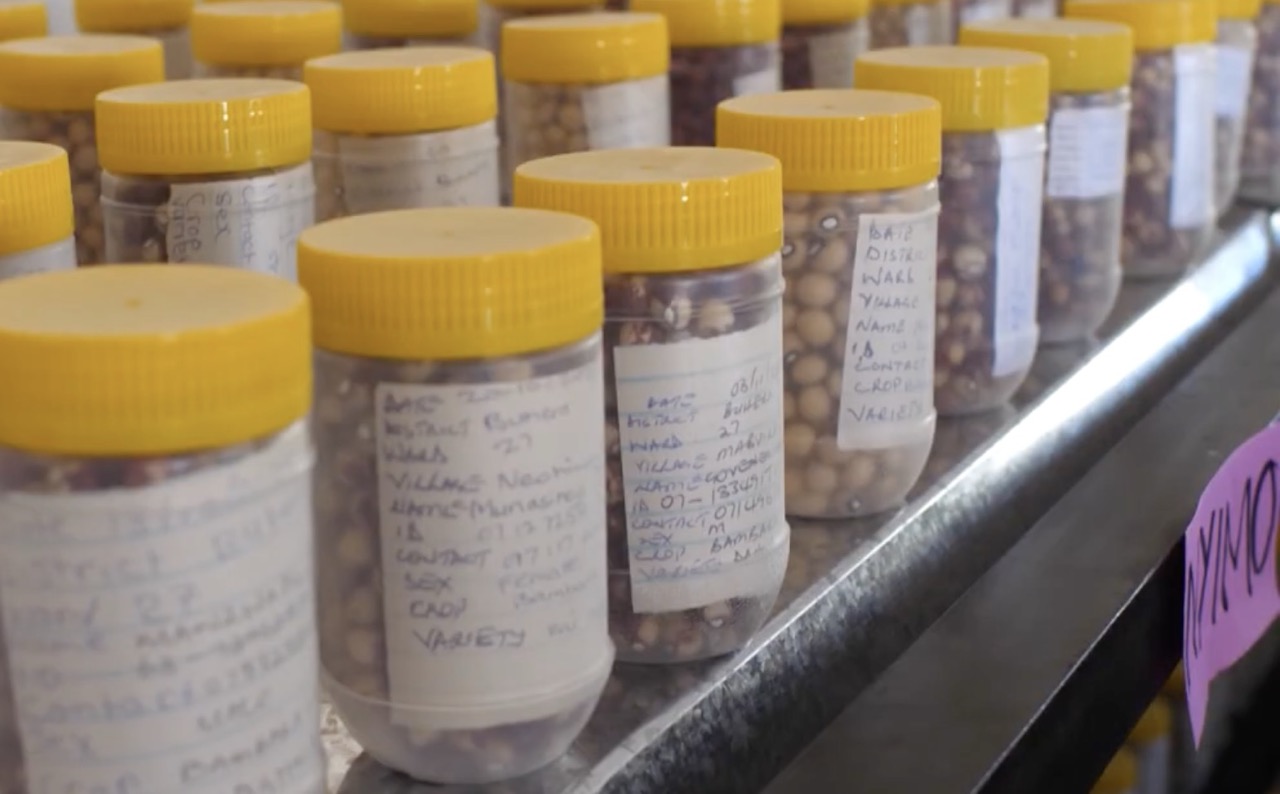
A community-run initiative in eastern Zimbabwe, the Mutiusinazita Seed Bank, is empowering smallholder farmers to preserve traditional crop varieties and enhance their resilience against the impacts of climate change. This vital resource currently boasts 285 members who contribute and access indigenous small-grain seeds. These seeds are crucial for ensuring food security during periods of drought and other challenging agricultural seasons. The project is grounded in traditional farming knowledge and practices, highlighting the importance of local wisdom in addressing contemporary environmental challenges. By safeguarding these heritage seeds, the initiative aims to bolster food sovereignty and agricultural sustainability within the region.
This community-led initiative demonstrates a practical, localized approach to climate change adaptation by leveraging indigenous knowledge and resources. The Mutiusinazita Seed Bank's model of preserving traditional crop varieties offers a decentralized solution to agricultural resilience, potentially mitigating reliance on external inputs susceptible to climate shocks. The success of such initiatives underscores the systemic importance of biodiversity conservation and community-based resource management in future food systems, especially as climate volatility increases. This approach highlights a potential pathway for empowering local communities to proactively address environmental challenges, fostering self-sufficiency and preserving cultural heritage alongside agricultural sustainability.
AI-generated to prompt reflection — not editorial opinion, not advice, not a statement of fact. How this works.
