Zohran Mamdani Urges Trump to Grant TPS for Venezuelans Amidst Earthquake Aftermath
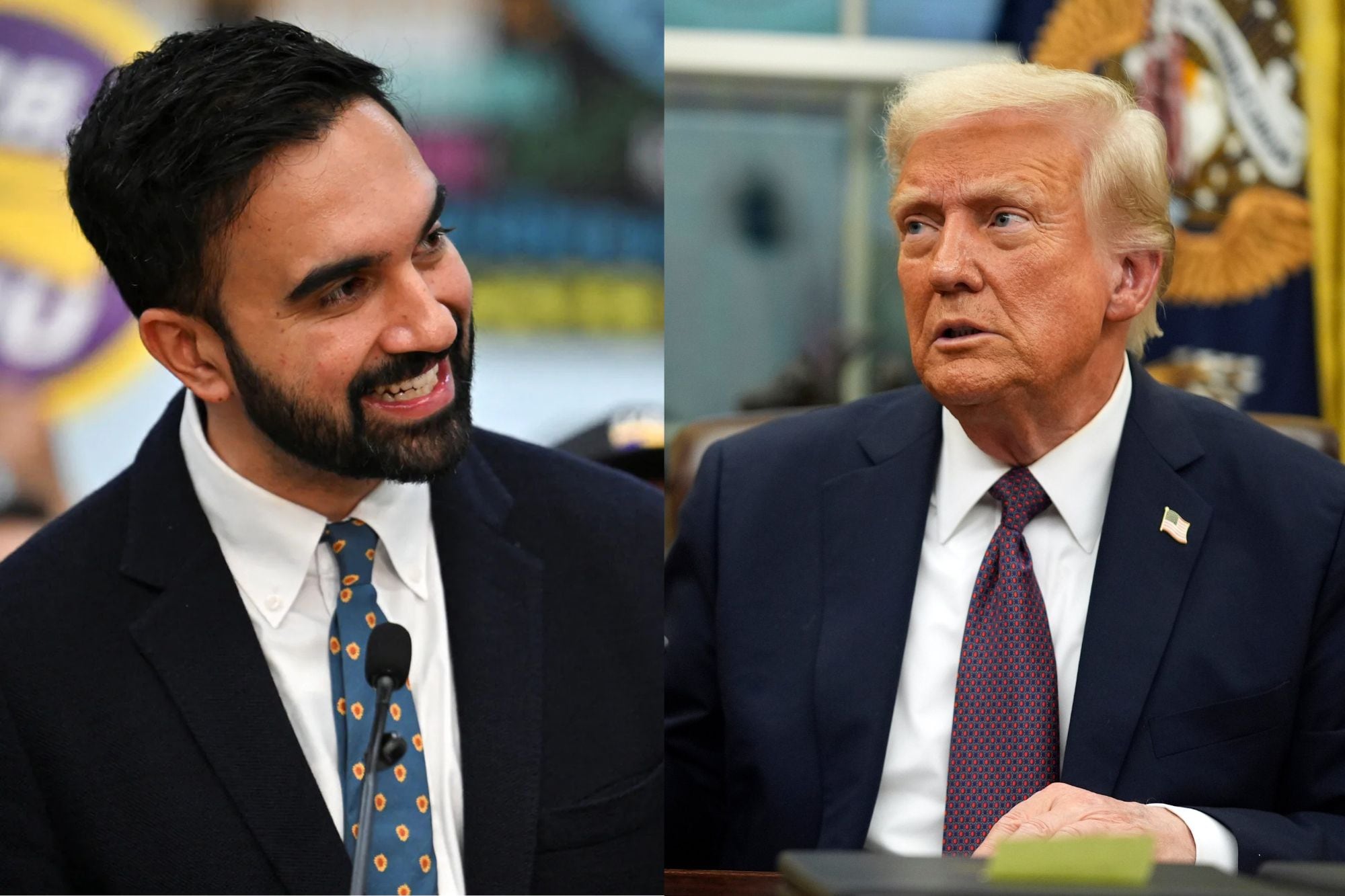
Zohran Mamdani has called on Donald Trump to grant Temporary Protected Status (TPS) for Venezuelan migrants in the United States. This plea comes in the wake of recent earthquakes that have devastated parts of Venezuela. Mamdani highlighted the ongoing legal challenges that are affecting the protections available to migrants in the U.S. The request emphasizes the humanitarian need to provide stability and security for Venezuelans who have already been displaced by crises in their home country. Granting TPS would allow eligible Venezuelans to remain in the U.S. legally for a designated period, preventing deportations and providing access to work permits. This measure is seen as crucial for supporting a population already facing immense hardship. The call for TPS underscores the interconnectedness of humanitarian crises and immigration policies. Mamdani's appeal seeks to leverage existing legal frameworks to address the immediate needs of a vulnerable population.
The request for Temporary Protected Status (TPS) for Venezuelan migrants, particularly in light of natural disasters, highlights the complex interplay between international humanitarian concerns and national immigration policies. Such designations are often influenced by geopolitical factors and the perceived stability of the home country. From a policy perspective, granting TPS can provide immediate relief and economic stability for a migrant population, while also offering a predictable framework for managing migration flows. However, it also raises questions about long-term integration strategies and the potential for prolonged reliance on temporary measures. The decision-making process for TPS involves balancing humanitarian imperatives with national security and economic considerations, reflecting broader debates about global responsibility and resource allocation in an era of increasing displacement.
AI-generated to prompt reflection — not editorial opinion, not advice, not a statement of fact. How this works.