Zuckerberg Admits Meta's AI Agents Lagged Behind Expectations
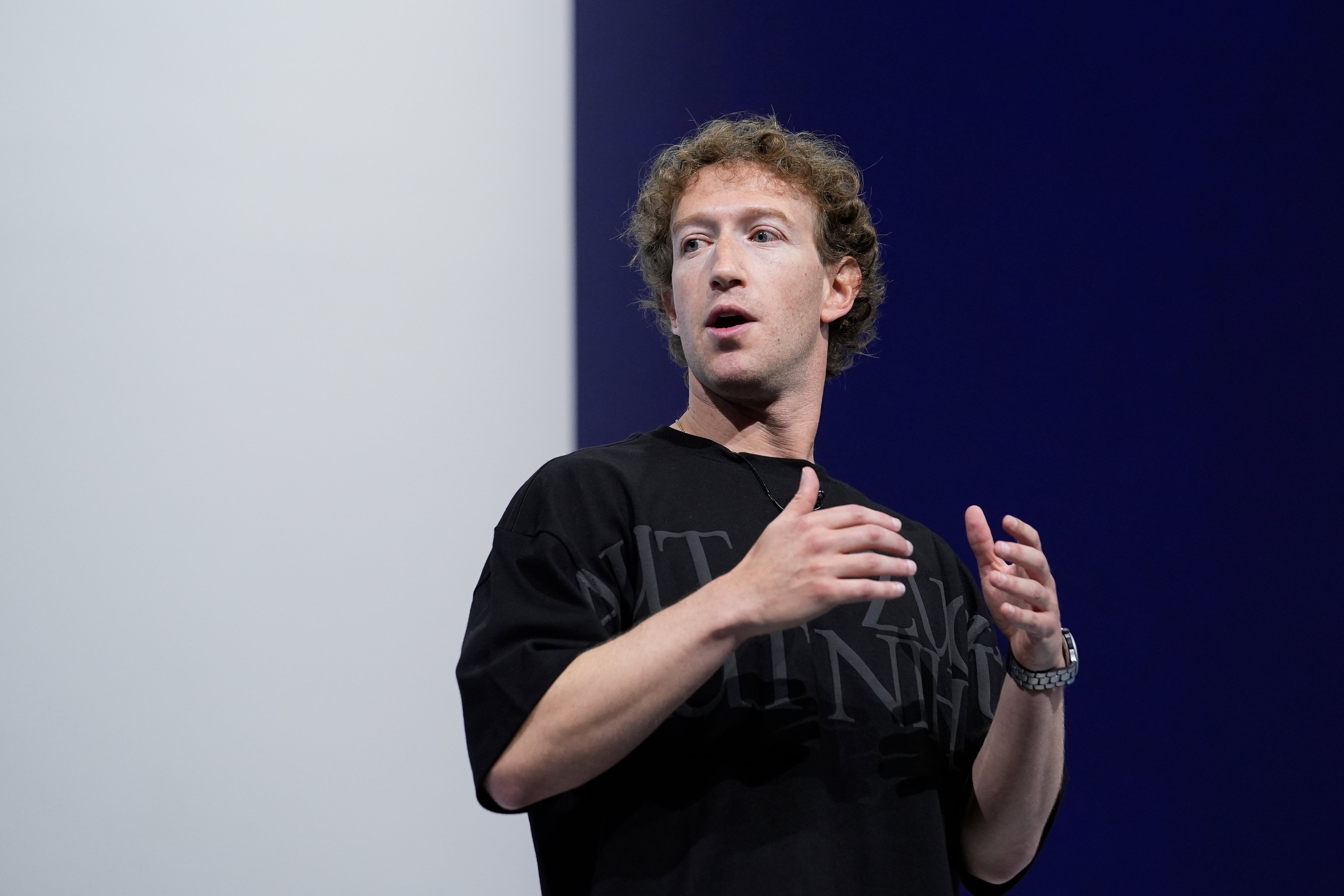
Meta CEO Mark Zuckerberg has acknowledged that the company's artificial intelligence agents have not progressed as rapidly as anticipated. He also admitted that the company's restructuring, undertaken amidst the surge in AI development, was not as smooth as hoped. Zuckerberg expressed optimism that significant benefits from these AI initiatives will materialize within the next three to six months. This admission comes as Meta, like many other tech giants, is heavily investing in and racing to develop advanced AI capabilities. The company has been focusing on integrating AI across its platforms and developing new AI-powered products and services. The CEO's comments suggest a potential recalibration of internal timelines and expectations regarding the pace of AI innovation within Meta. Despite the acknowledged delays, the company remains committed to its AI strategy and anticipates substantial returns in the near future.
AI Development Realities: Zuckerberg's statement highlights the inherent challenges and uncertainties in cutting-edge AI development, where rapid progress is often assumed but not guaranteed. The admission of a less-than-orderly restructuring suggests that Meta, like many organizations, is navigating the complex trade-offs between aggressive innovation timelines and operational stability. The projected three-to-six-month timeline for significant benefits indicates a focus on near-term applications and market impact, potentially balancing ambitious long-term research with immediate commercialization pressures. This situation underscores the evolving dynamics of the AI race, where managing expectations and adapting to the unpredictable nature of technological breakthroughs are critical for sustained leadership.
AI-generated to prompt reflection — not editorial opinion, not advice, not a statement of fact. How this works.